
From the outside, picking a new camera seems simple. For me, it wasn’t. It was a months-long spiral of research, second-guessing, and reading what felt like hundreds of blog posts about other photographers finding their way into the Fuji ecosystem.
So here’s mine — the thoughts and trade-offs that led me to the Fujifilm X-Pro3.
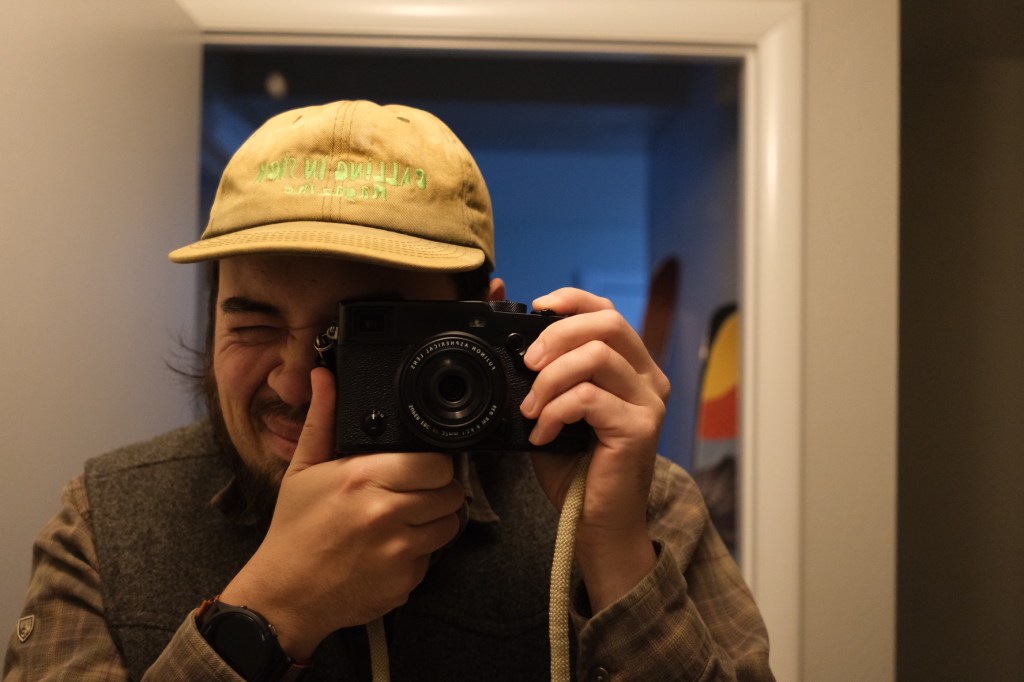
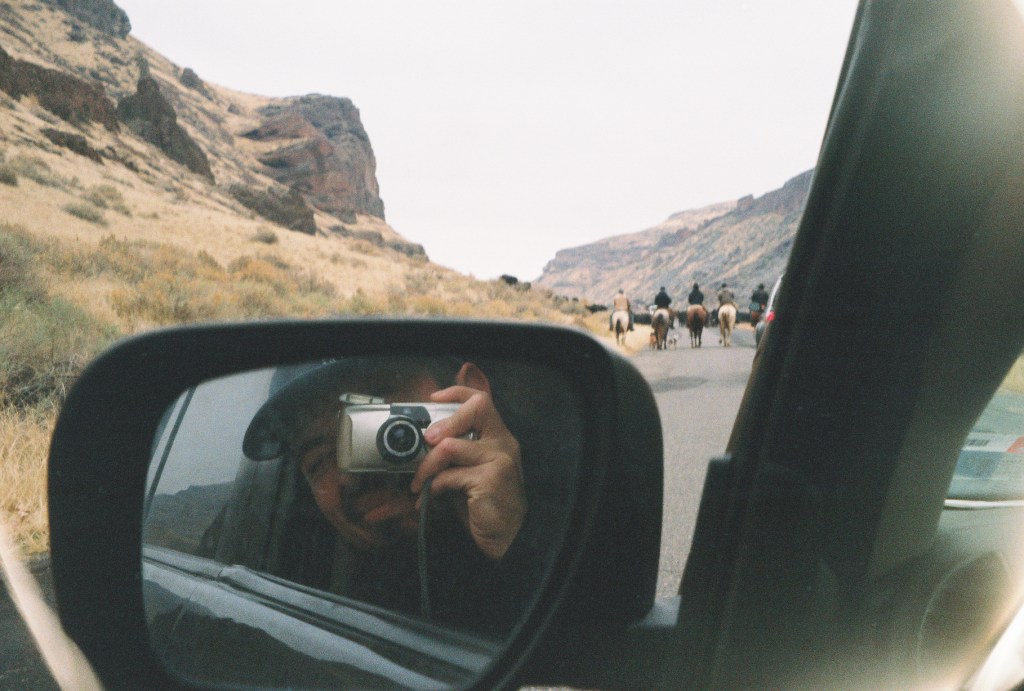
First Mirror selfie with the X-Pro 3 🙂
Background
For the past decade, my personal work has been hands-on. — primarily shooting film and processing it at home. The exception was digital SLRs for skateboarding and a handful of events.
But over the last few years, I became less interested in film as an everyday medium. Rising costs for film and processing, combined with less free time, pushed me into a creative middle ground: I wasn’t shooting film as much, but I also didn’t feel inspired by the digital options I had.
I thought about adapting my Nikon lenses to a new mirrorless body. On paper, weather-sealed, compact mirrorless options ticked the boxes. But they felt like tools — professional, clinical, serious.
I wasn’t looking for a tool.
I wanted a companion.
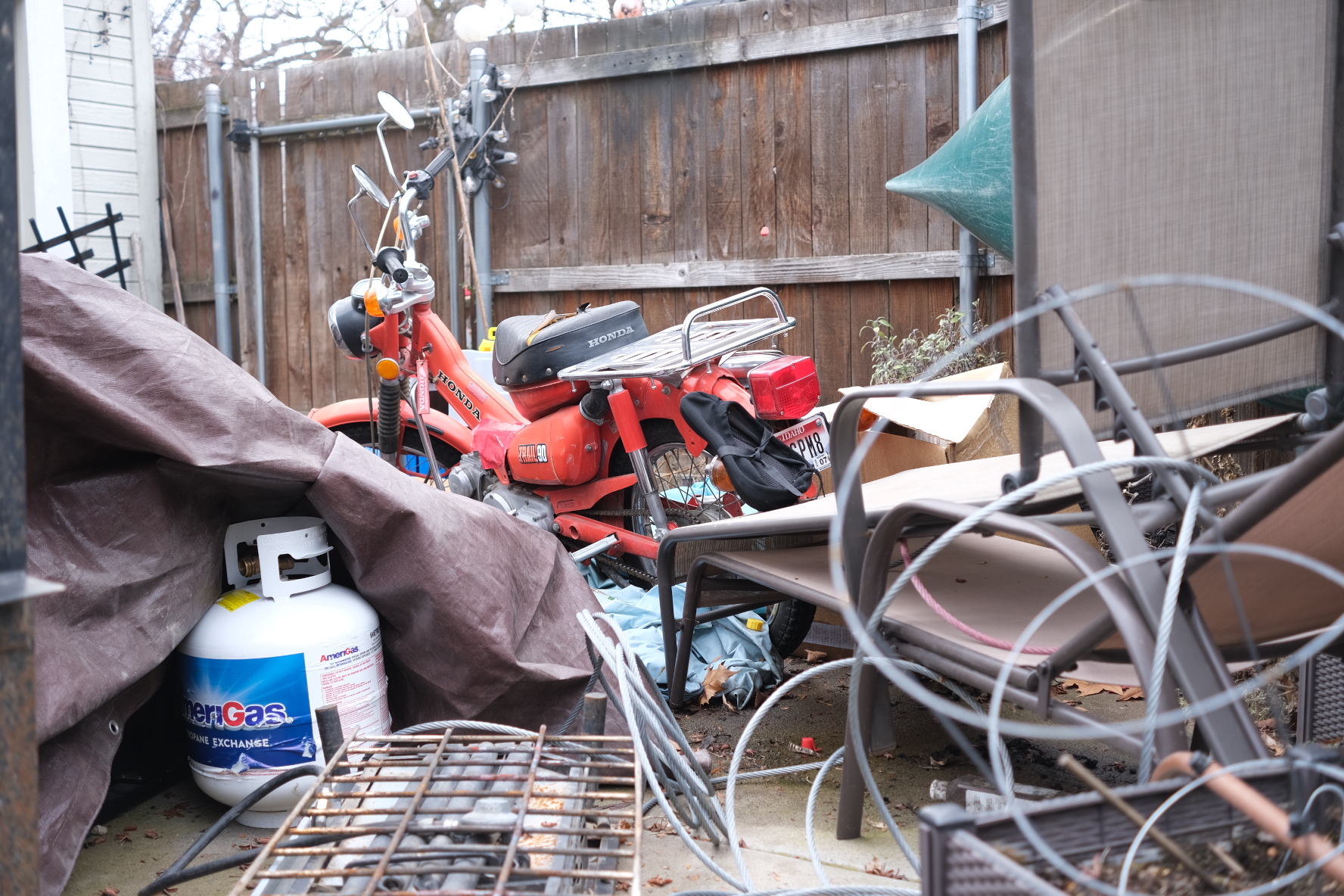
Photo walks through the NEIGHBORHOOD feel fun again
Narrowing It Down
After seeing countless Fuji camera posts on Instagram, I decided to explore options in the Fuji mirrorless line. I wanted a camera that was small, weather-sealed, and featured the Fuji color science/in-body photo editing. Three model lines stood out:
- Fujifilm X100VI
- Fujifilm X-T5 / Fujifilm X-T4
- Fujifilm X-Pro3
X100VI
The X100VI checked almost every box.
Fixed 23mm f/2 lens (35mm equivalent).
40MP sensor.
IBIS.
Compact. Beautiful. Self-contained.
It reminded me most of my old film setups.
The drawbacks? No interchangeable lenses — and scarce availability.
If I could have walked into a store and bought one, I probably would have.
On a personal note, I’ve noticed numerous content creators using the Fuji X100VI as the centerpiece of their content strategy, presenting the camera as a new trend in photography instead of talking about their photographic or creative process. Their approach often feels impersonal and uncreative — even subversive to the very reason for owning a creative tool. I don’t want to be lumped into that category of photographer.
X-T4 / X-T5
Spec-wise, the X-T series probably made the most sense. Weather-sealed. Excellent autofocus. IBIS. Hybrid photo/video capability.
But they felt like modern performance machines. Extremely capable — just not emotionally compelling to me.
Again: tool vs companion.
X-Pro3
The X-Pro3 felt different.
Titanium body. Hybrid optical/electronic viewfinder. A hidden rear LCD that encourages intentional shooting. Interchangeable lenses without losing personality.
On paper, it wasn’t the most logical choice. The specs aren’t as aggressive as the X-T5, and it’s often priced higher. It’s also larger than the X100 series.
But it had character.
And that mattered more to me than spec sheets.
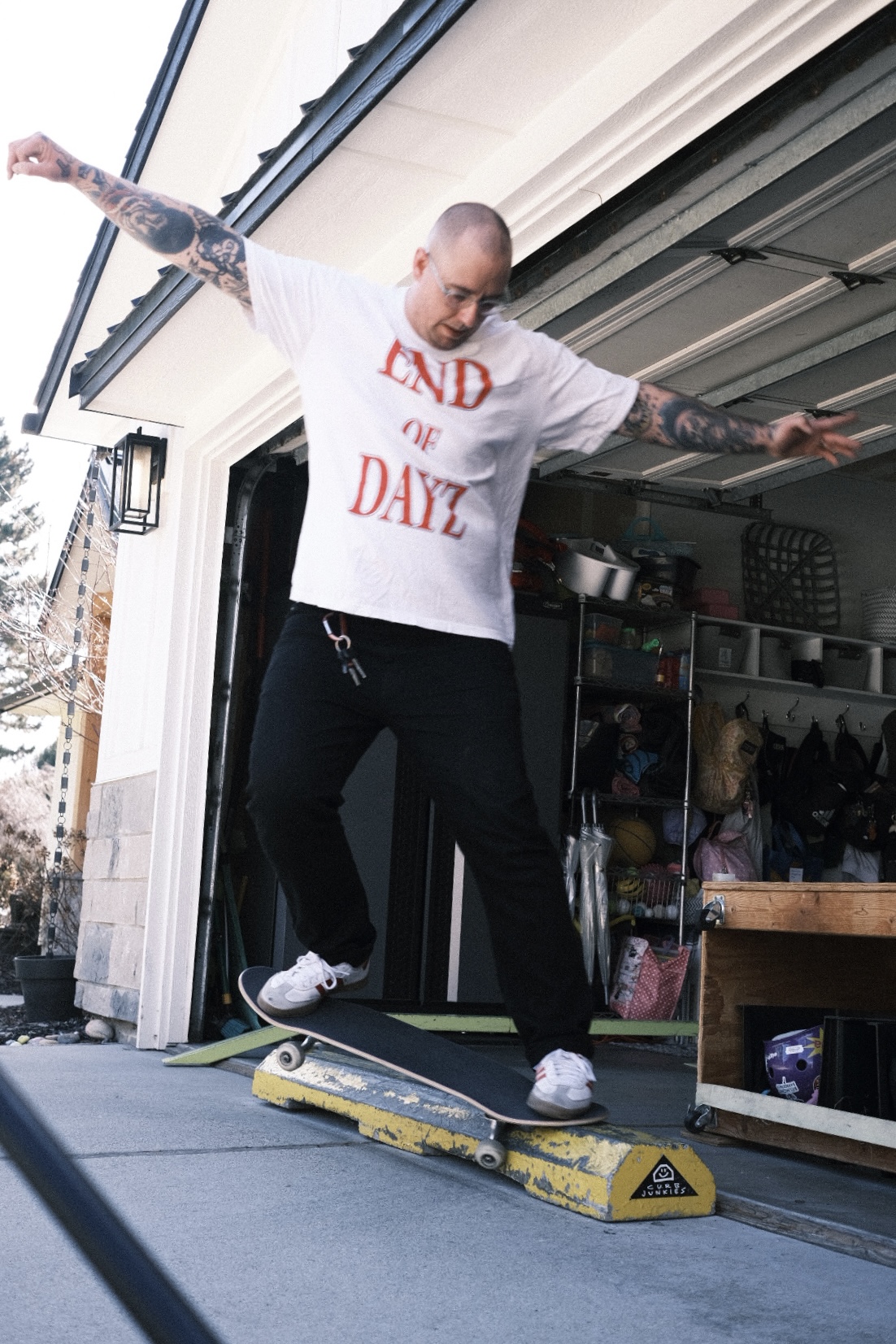
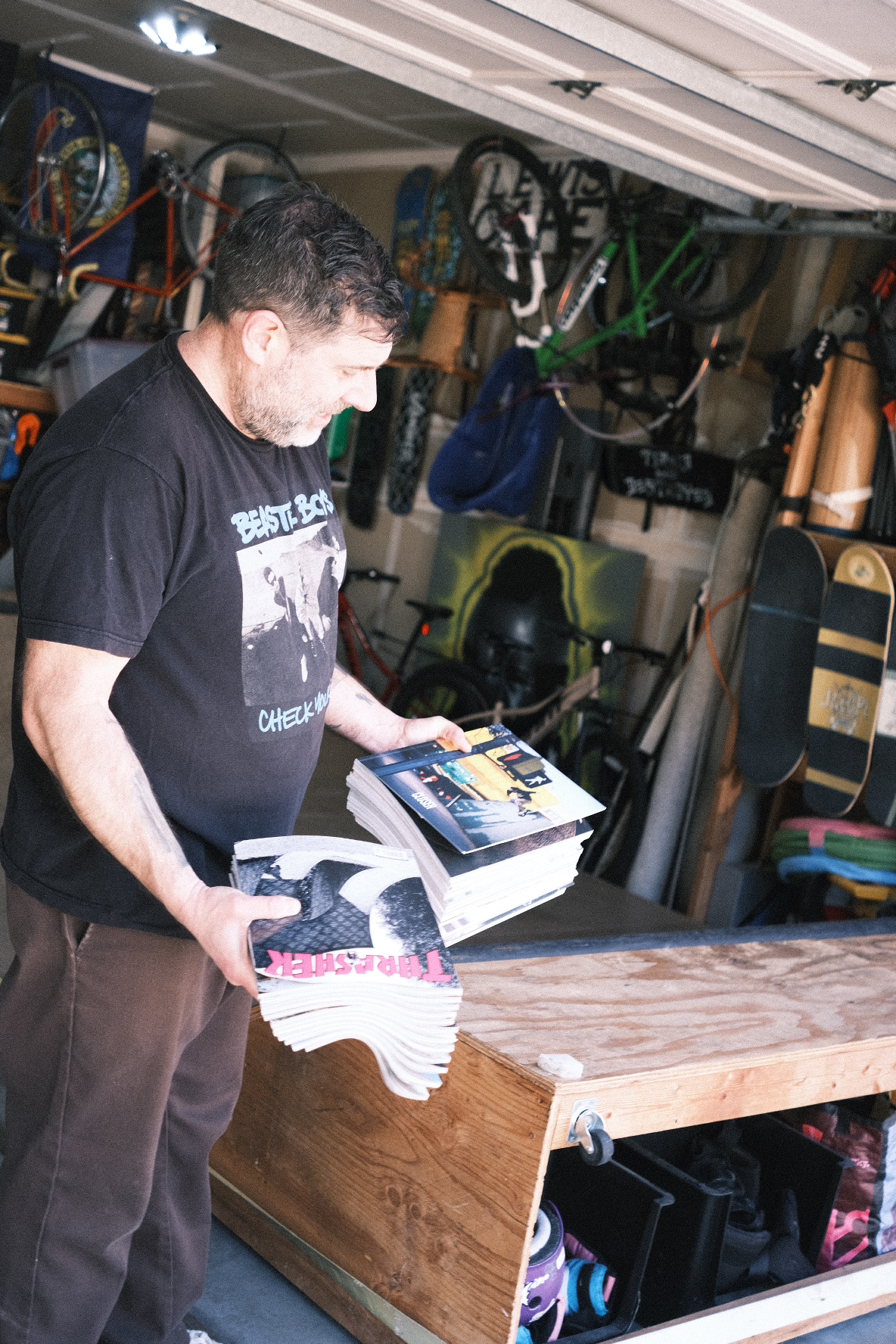
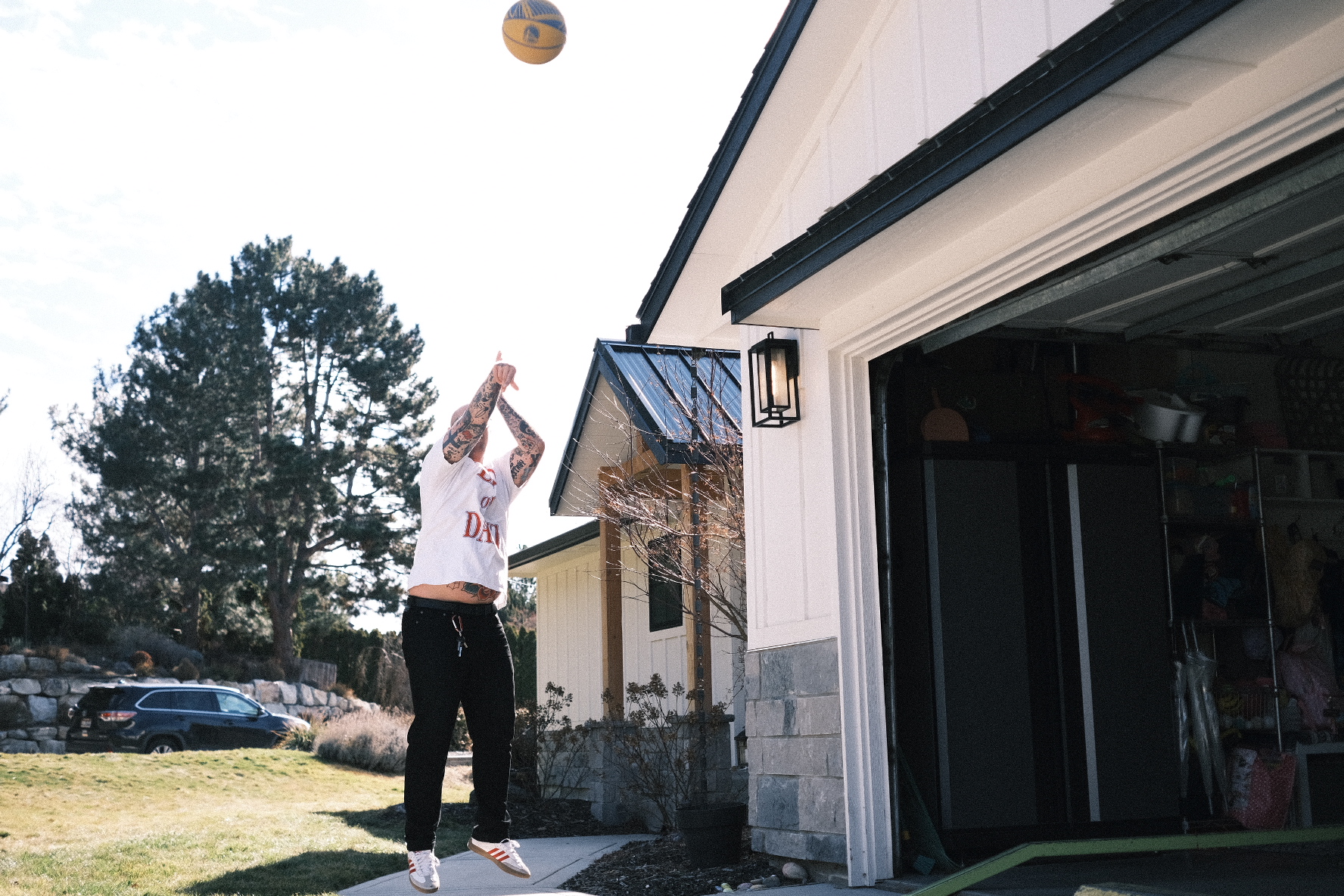
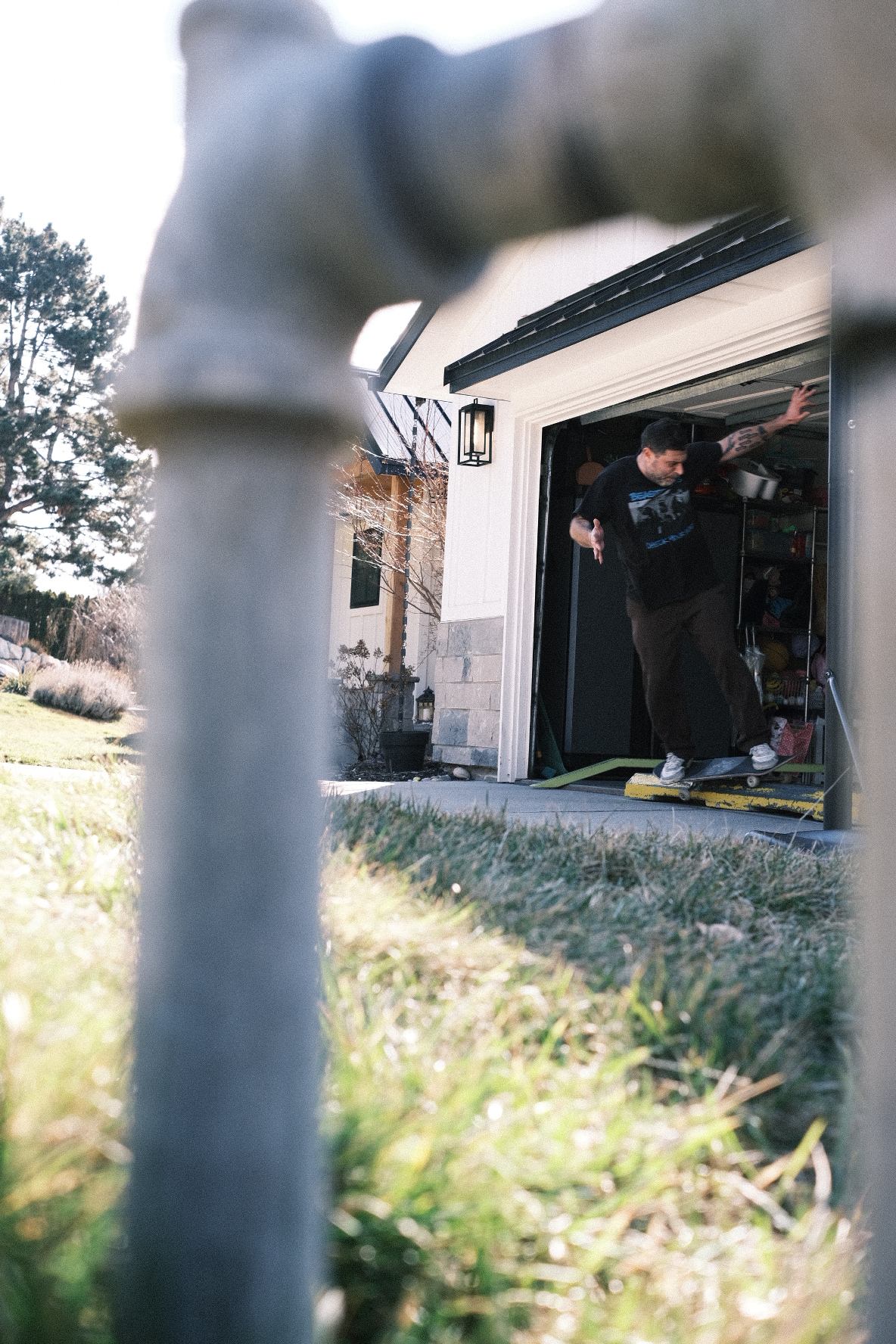
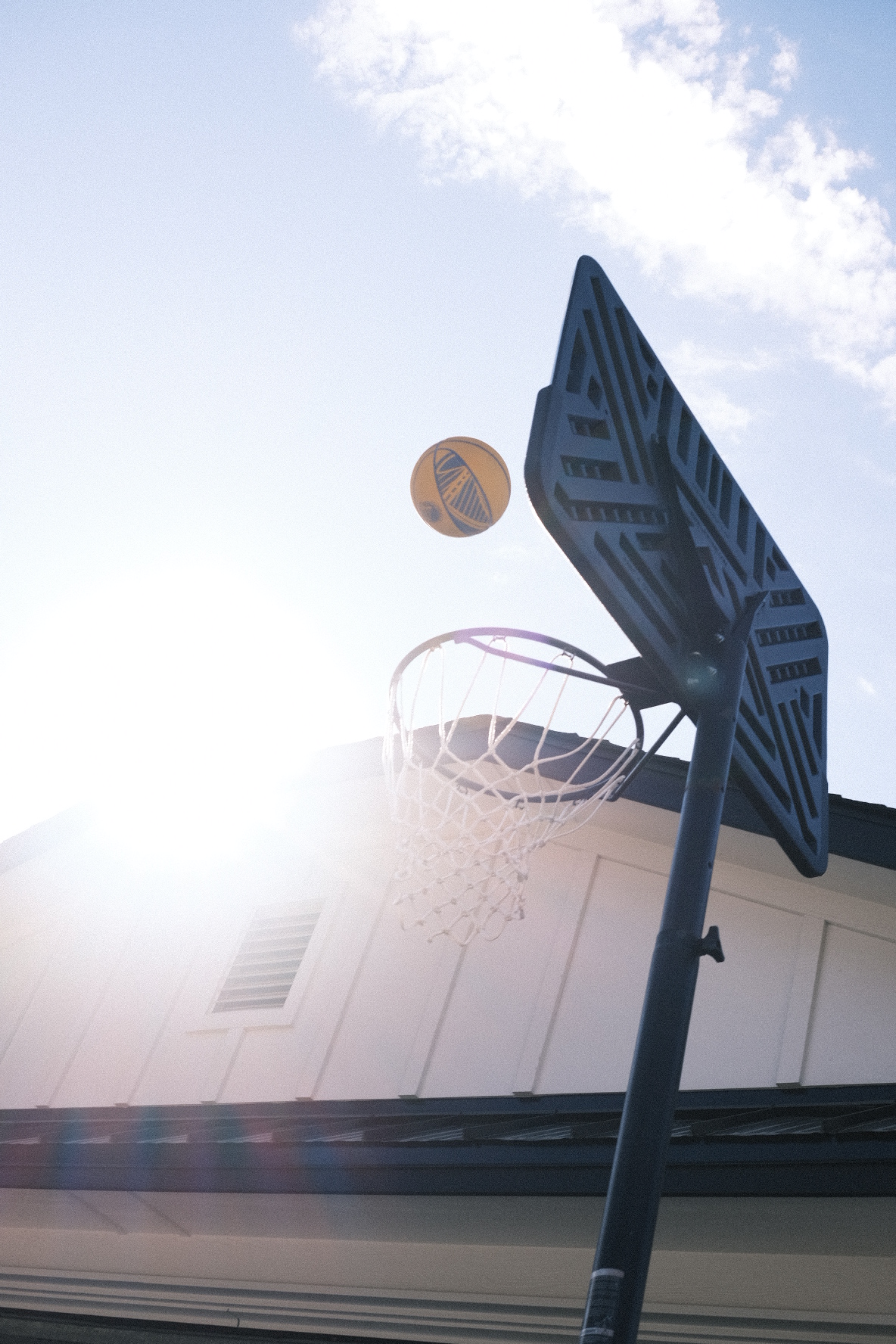
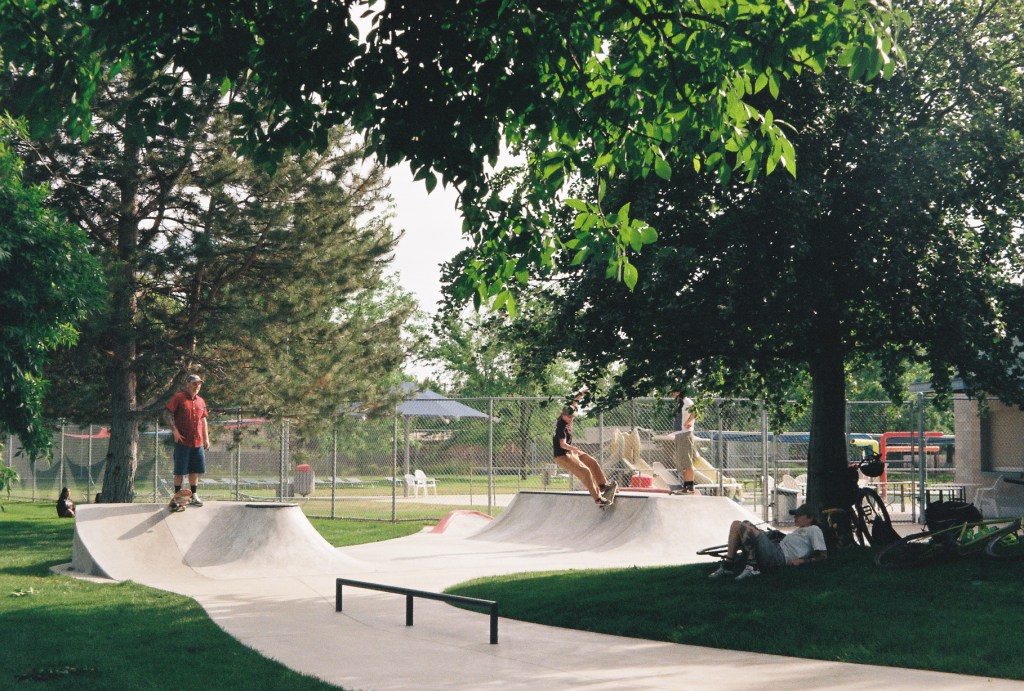
Skate to hoops pipeline
The Hunt
After narrowing down my CHOICES to the three previously mentioned fuji cameras, it became a waiting game of availability and price.
I INITIALLY tried to purchases a X100VI, After a deal fell through during a trade-in process, I kept searching. Eventually, I found a local seller offering an X-Pro3 paired with the 27mm WR pancake lens for $1,400 — a strong value for the body and lens together.
I bought it.
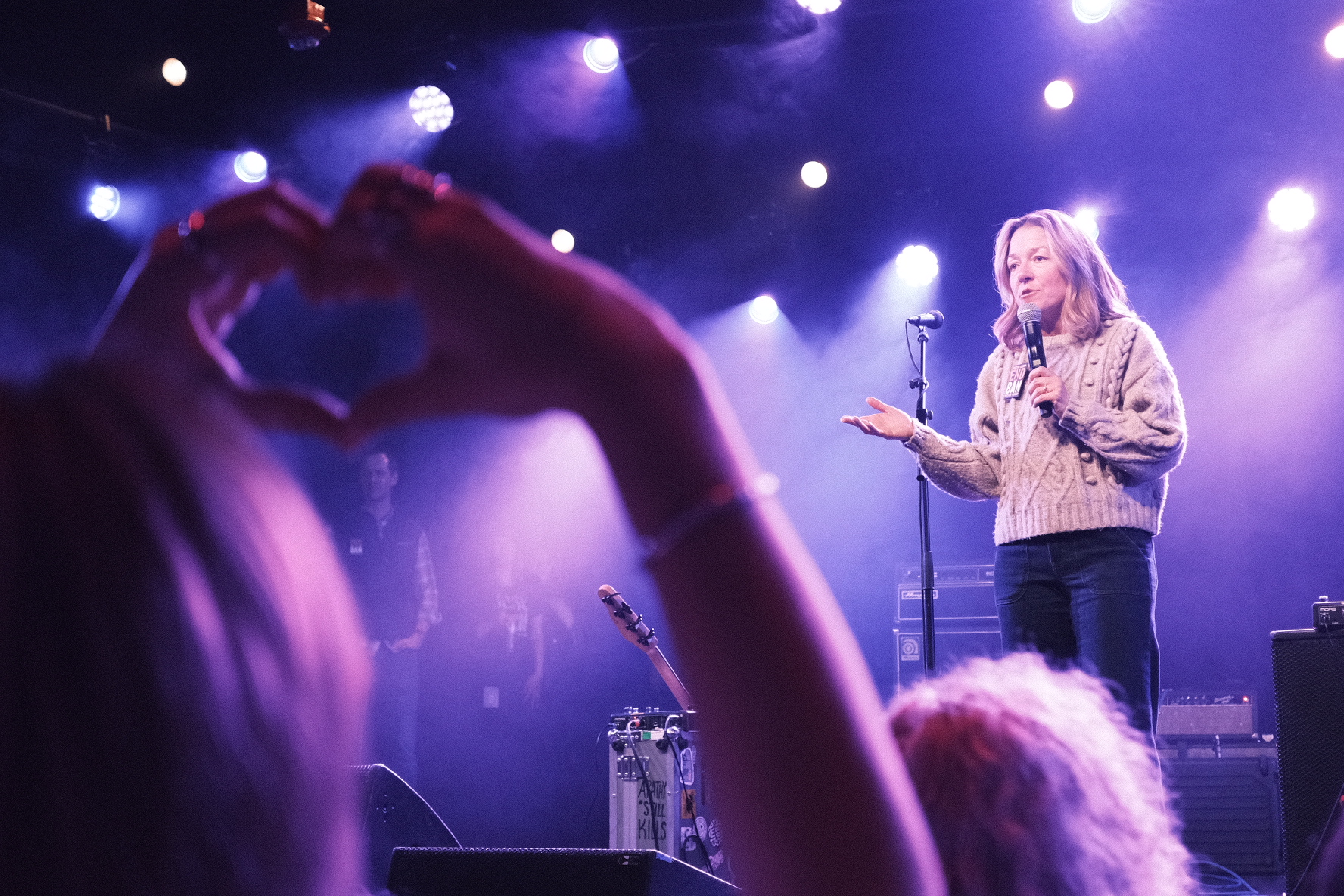
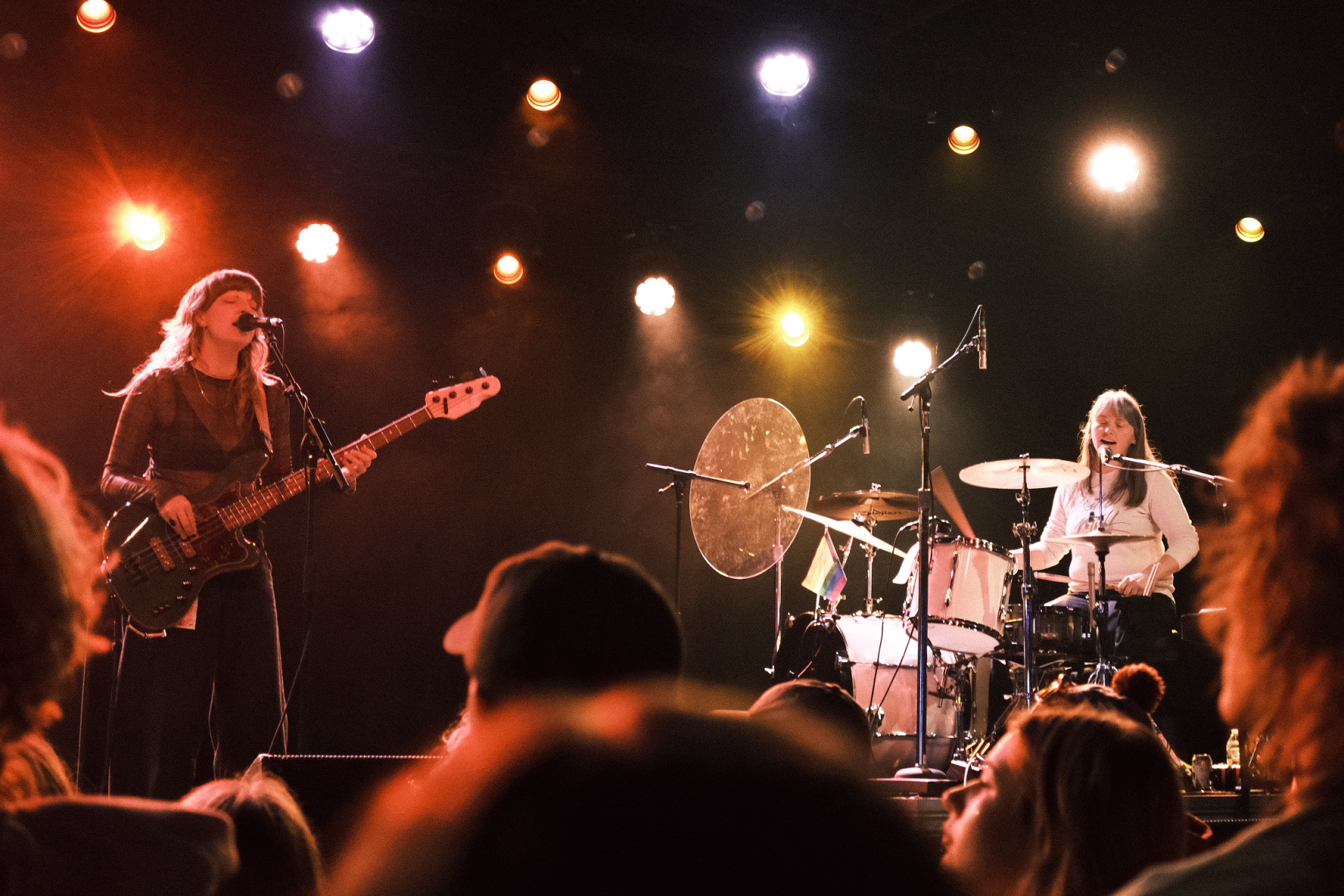
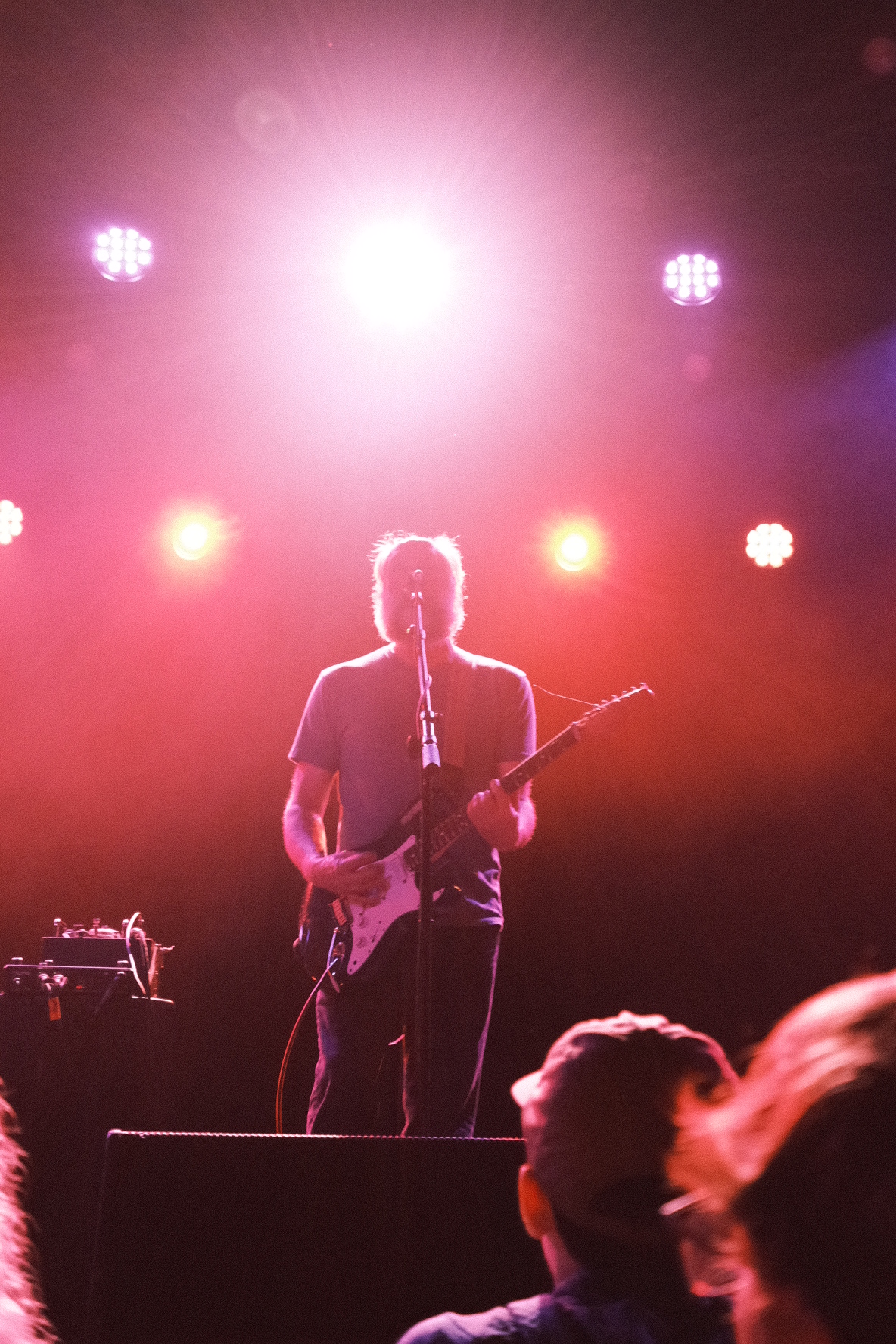

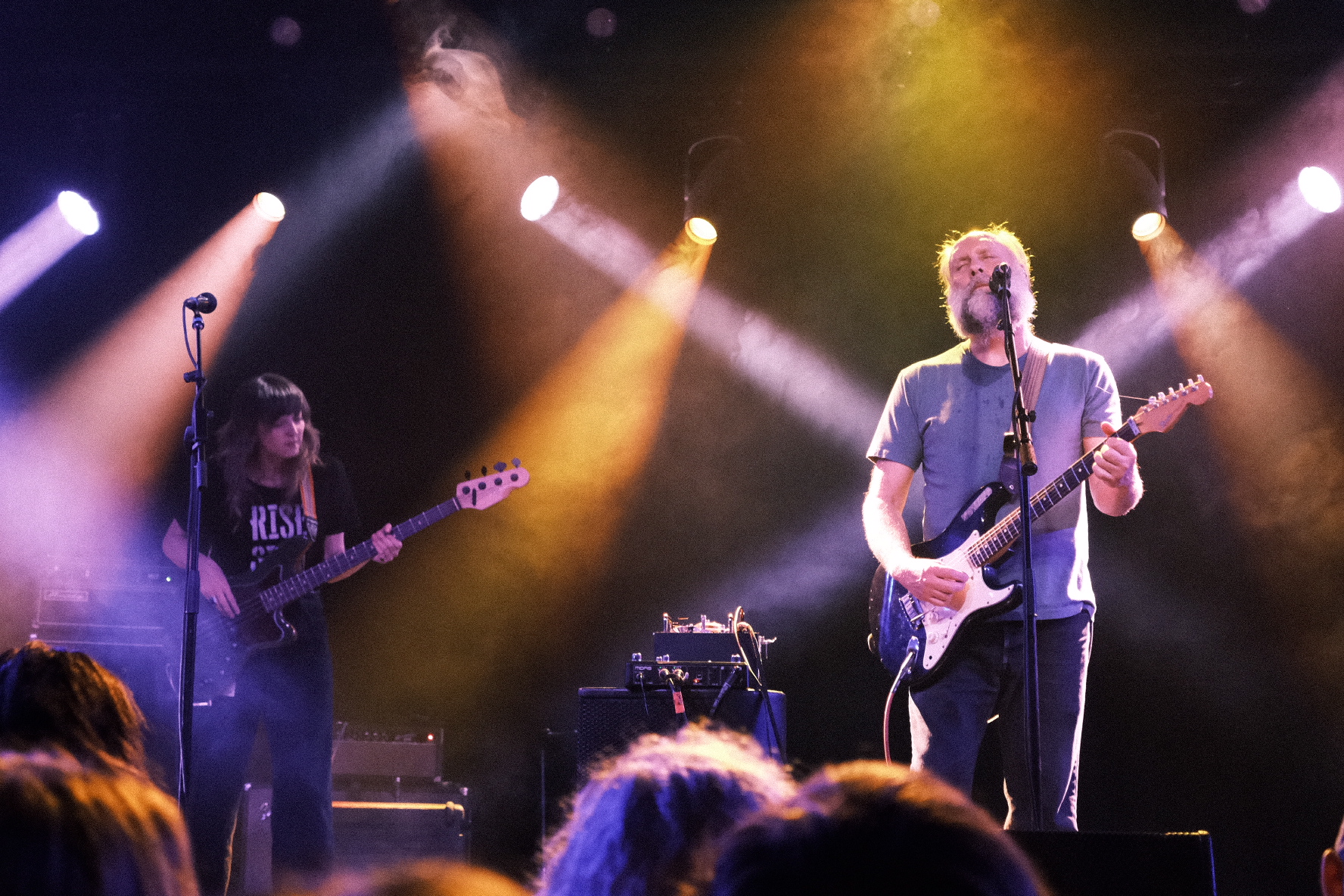

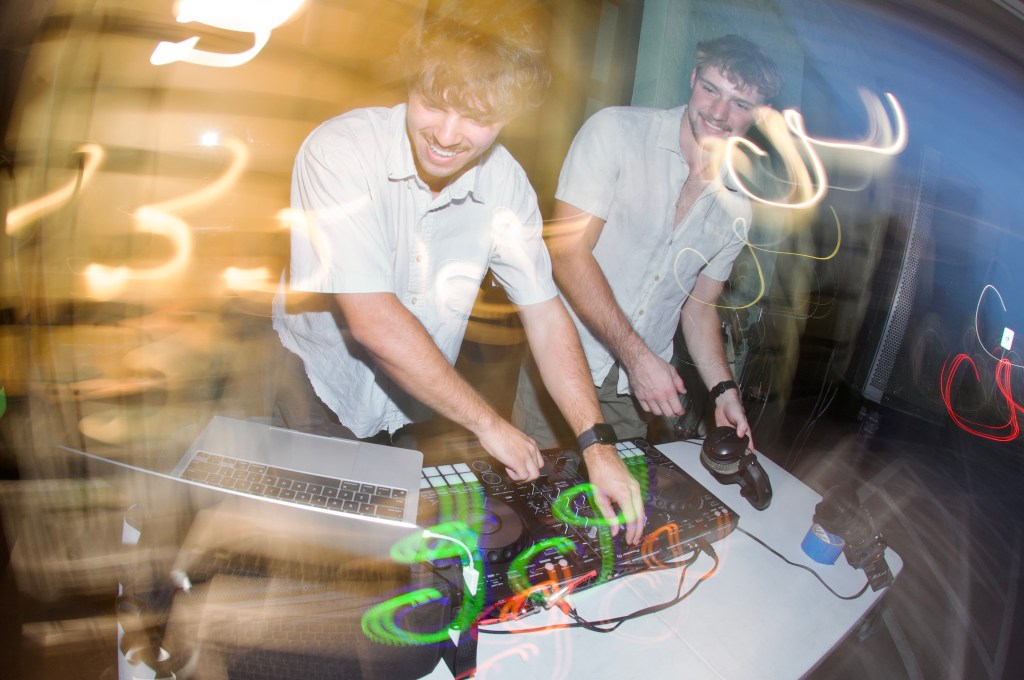
“End the ban” BENEFIT concert featuring Plum Vision, Blood lemon and Built to spill
One Week In
After a week with the X-Pro3, I’m genuinely excited again.
The 27mm lens makes it compact enough for daily carry. The film simulations and in-camera processing are easy for creating beautiful images quickly. It feels rugged enough for my active LIFESTYLE — but refined, AESTHETICALLY speaking, for everyday moments.
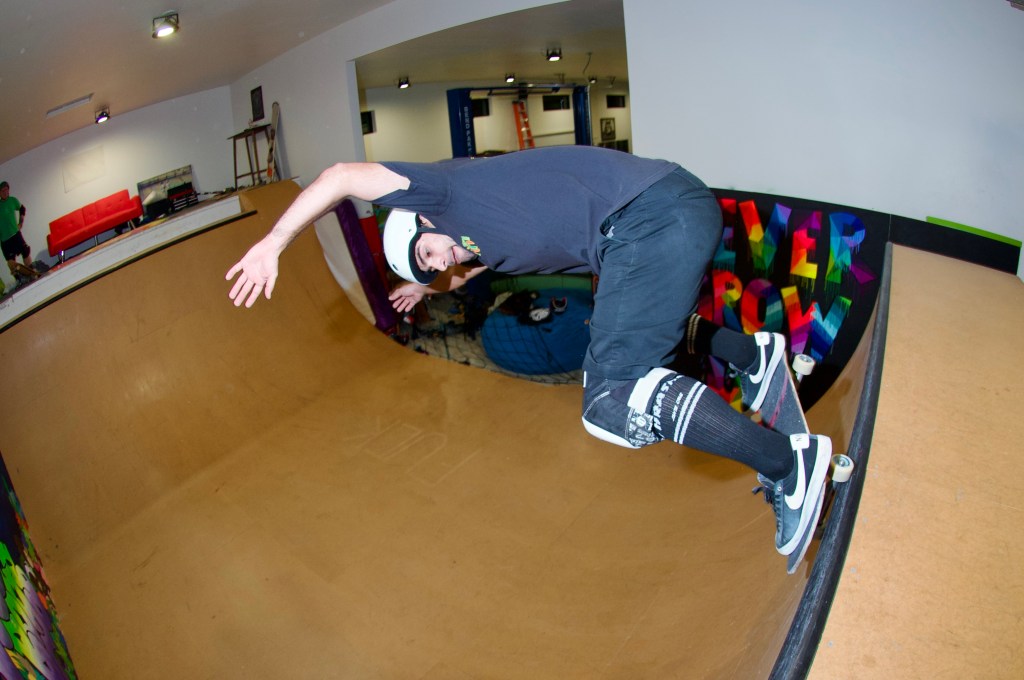
I’ll probably add a fisheye and a flash at some point for skate sessions.
But for now, I’m just stoked to have a beautiful everyday camera again — one that makes me want to go outside and shoot.
THX
Lawrence
.




 lawrenceshaw.blog